Eat To Reduce Inflammation! What Does It Really Mean?
 Jennifer Ellis-Schuetz
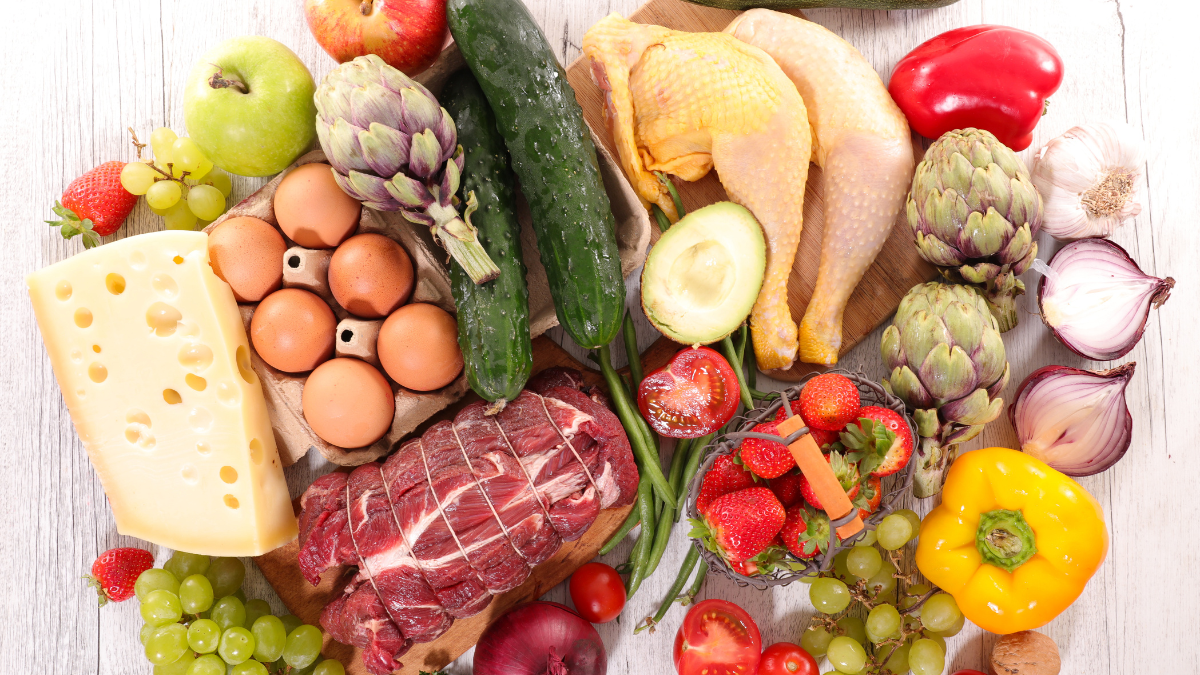
Food as Medicine!
By far, diet is one of the biggest levers, if not the most significant, in determining our level of health, resilience, and ability to recover from health challenges.
Why is this?
Well, it all boils down to the gut and cellular function.
You see, the digestive tract is a key portal to health and longevity. It’s home to upwards of 80% of the immune system and 90% of all genetic material in the human body. It’s the primary way in which we bring the outside world into our bodies.
Additionally, our bodies’ cells are fueled by the foods our digestive tracts can optimally digest and assimilate into usable nutrients. If the foods we eat are not compatible, the following happens:
- The immune system is activated (not in the right way!)
- Cells are not supplied with the building blocks they need to function appropriately.
- Energy production plummets
- The cascade of chronic inflammation is set in motion
In other words, we move away from health and toward metabolic chaos® and dis-ease. In light of this, achieving optimal health requires that we eat to reduce inflammation, which is one of the steps in the Wellness Code approach.
But what exactly does this mean?
The Optimal Human Diet!

Well, it boils down to adopting a way of eating that...
- is biologically compatible with our evolutionary needs by mimicking the diet of our hunter-gatherer ancestors
- includes all the nutrients that our cells need to function optimally
- consists of the most bioavailable forms of the nutrients
- contains the least amount of toxins
- provides the right ratios of protein, fats, and carbs for the body to maintain even-keel blood sugar and insulin levels
- starves out opportunistic pathogenic microbes that are known to create illness
- can be adjusted according to bio-individual needs
And now, let’s break this down further. While there are many factors involved in eating to reduce inflammation, it all boils down to two primary factors:
- Nutrient assimilation
- Immune activation
What exactly does this mean?
Nutrient assimilation:
As previously stated, if the digestive tract cannot optimally digest and assimilate the foods we eat into usable nutrients for cells, the body will not function as it needs to for optimal health. If not halted, all health-supporting processes such as energy production, detoxification, immune function, and more, will be thwarted.
Immune activation:
As previously stated, upwards of 70-80% of the immune system resides in the gut, specifically in the GALT tissue (gut-associated lymphoid tissue). So, suppose the microbiome is dysbiotic and the gut lining is leaky, which is the case to varying degrees in all chronic diseases, regardless of diagnosis. In that case, the body loses tolerance, and many foods, even healthy ones, become a source of unhealthy immune activation rather than nourishment.
This means that instead of the food being optimally broken down into usable, nourishing nutrients for cells, three primary things happen:
- It ferments, putrefies, or rancidifies in the digestive tract
- It becomes a food source for dysbiotic microorganisms
- It passes through the leaky gut lining in the form of unusable molecules that are perceived by the rest of the immune system as foreign invaders that need to be attacked
This is where chronic, systemic inflammation ensues.
Other Things to Know
Something else to be keenly aware of is that the same thing can happen with supplements that one is taking to support the healing process. Yep! Supplements can often be a source of ongoing inflammation, many times unbeknownst to the person, because they are meant to be “doing good.”
To sum it up, eating to reduce inflammation means eating in a way that removes all triggers of immune activation while delivering the highest amounts of bioavailable nutrients to cells. Until this happens, the body will remain more in defense mode than energy-producing mode. There will not be adequate resources for detoxing, fighting pathogens, making hormones, etc.
This said, there is no standard approach for eating to reduce inflammation. There are guidelines, but everyone is unique and will need a bio-individualized approach. For a person with cancer, this might be a temporary vegan cleanse with large amounts of raw juice; for another, an Ayurvedic diet; and for another, the GAPS nutritional protocol. It all just depends, right?
How Might a Carnivore Diet Fit Into All This?
All this said, a primary reason I’ve become such a proponent of the carnivore diet, particularly level III, which is only grass-fed, organically raised beef, water, and salt, is that it’s the ultimate elimination diet.
Grass-fed beef has been shown to be the least immunogenic. In other words, this approach removes all dietary immune triggers while still providing the body with the nutrients it needs to heal. When implemented correctly, I feel this way of eating offers impressive potential for shutting off the switch of chronic inflammation.
How does it help to accomplish this?
Well, the point of reducing one’s diet to solely beef, water, and salt for a temporary period is to allow all food (and supplement) related immune activation to dissipate so that the following can be achieved:
- Dysbiotic microorganisms are starved out
- The gut lining can heal, which means the immune system can heal
- Resources can be freed up for other things
- The body can get out of its way and begin to recover
Once all this is underway, one can slowly bring back one food (and supplement) at a time, and the body will quickly (within hours or perhaps days) signal whether that food (or supplement) is nourishing.
And now you might be thinking, but why would one want to remove all plant foods? That sounds drastic and very unhealthy! Don’t we need the fiber and antioxidants in plants to be optimally healthy? While the answer to this question is very involved and could be an article on its own, here are the main points to consider:
- A dysbiotic and leaky gut is not able to adequately break down fiber
- When fiber is introduced into a gut with more bad bugs than good ones, the nasty bugs can proliferate more. To shift the gut ecosystem, we must first reduce the number of bad guys.
- Plants contain many compounds, such as lectins, tannins, salicylates, phytic acids, oxalates, and more, so the human digestive tract is not optimally designed to digest and assimilate them, especially in large amounts. Because of this, they can accumulate and lead to “issues in one’s tissues.” This is particularly true in those with compromised systems.
Anyway, this is what eating to reduce inflammation means.
That said, I’m not saying that a strict carnivore diet is right for everyone, and this article was not intended to promote it. It was merely an example of one approach to eating to reduce inflammation that has been shown to be highly therapeutic for many—myself and several of my clients included.
If this intrigues you, I encourage you to do your own research to determine whether it would be the right approach for you. Three resources I recommend checking out in doing so are:
- The book, The Carnivore Code, by Dr. Joe Saladino, MD
- https://meatrx.com/
- https://www.paleomedicina.com/en
In closing, the key takeaway from today’s article is that eating to reduce inflammation is essential for both health restoration and optimization. In light of this, if vibrant health is a priority for you, it’s critical to determine an optimal way of eating -- whatever that may look like for you. :)
First published on January 16th, 2021. We update accordingly as new information and insights emerge.